
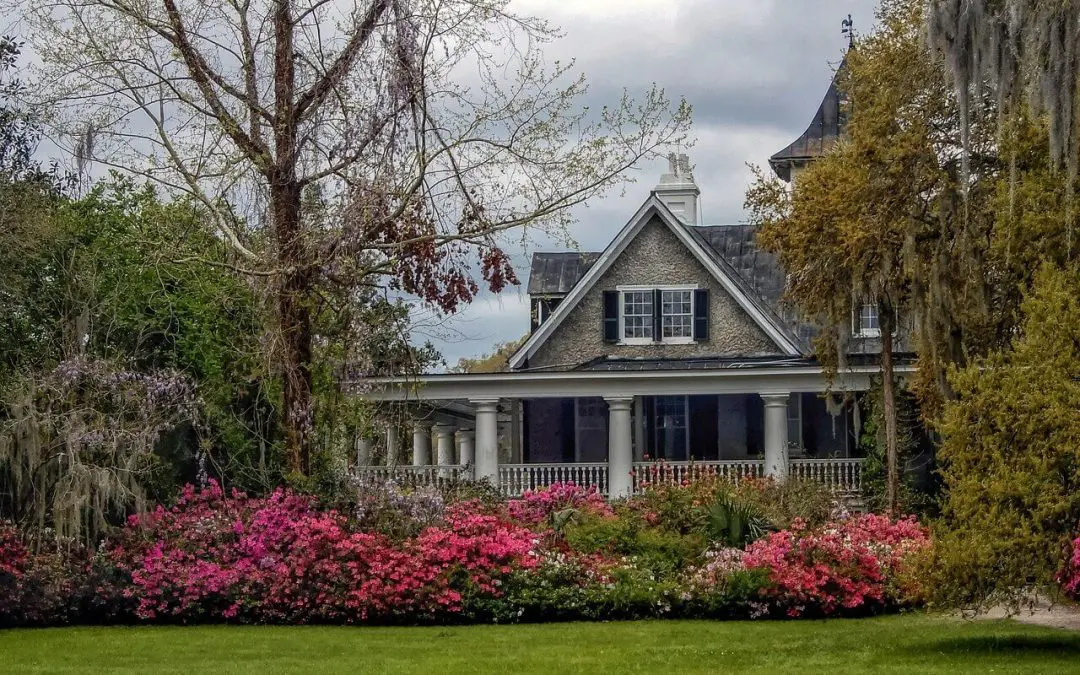
Older homes have a charm that newer builds often struggle to match. From detailed craftsmanship to established neighborhoods, they offer a sense of character and history that many homeowners love. However, with age also comes maintenance challenges. Understanding the common concerns in older homes helps homeowners stay ahead of costly repairs, protect property value, and maintain a safe living environment. While not every aging property will experience the same issues, several areas tend to appear more frequently in homes built decades ago.
Understanding the Most Common Concerns in Older Homes
Homes built 30, 50, or even 100 years ago were constructed using different materials, building codes, and design standards than modern houses. Over time, wear and tear naturally affect structural components, plumbing, electrical systems, and insulation. Many of the common concerns in older homes are not necessarily signs of poor construction; they are simply the result of aging materials and outdated infrastructure. Being aware of these concerns allows homeowners to plan preventative maintenance, schedule inspections, and prioritize upgrades. A proactive approach can significantly reduce long-term repair costs and improve overall home safety.
Electrical Systems: One of the Most Common Concerns in Older Homes
Outdated electrical systems are among the most significant safety issues in older properties. Many homes built before the 1970s were not designed to support today’s energy demands. Modern households rely heavily on appliances, electronics, and charging devices, which place a larger load on wiring and electrical panels. Older wiring systems, such as knob-and-tube wiring or aluminum wiring, may still function but can present fire risks if not properly maintained or upgraded. Electrical panels may also lack sufficient capacity or modern circuit breakers. Professional inspections are often recommended to ensure wiring meets current safety standards. In many cases, homeowners choose to upgrade electrical panels or replace aging wiring to improve both safety and efficiency.
Plumbing Problems and Pipe Materials
Plumbing systems in older homes could present challenges. Depending on the age of the property, pipes may be made from materials that deteriorate over time. Galvanized steel pipes, for example, are prone to corrosion and can reduce water pressure or cause leaks as they age. Another potential issue involves outdated sewer lines. Tree roots, ground shifting, and decades of use can cause cracks or blockages in older pipes. Even if plumbing problems are not immediately visible, slow leaks behind walls or beneath floors may eventually lead to water damage or mold. Routine plumbing inspections and gradual pipe replacement can help homeowners avoid unexpected failures.
Structural Settling and Foundation Issues
All homes settle over time, but structural movement is a common concern in older homes that should not be ignored. Small cracks in walls or foundations may appear as the house naturally shifts. However, larger cracks, uneven floors, or sticking doors and windows could signal more significant structural movement. Foundations built decades ago may also lack modern moisture barriers or reinforcement techniques. Over time, soil expansion, water infiltration, or poor drainage can affect stability. Regular inspections by structural professionals can help determine whether issues are cosmetic or require repair.
Insulation and Energy Efficiency Challenges
Energy efficiency standards have improved significantly over the years. Many older homes were built with minimal insulation or with materials that have degraded over time. As a result, heating and cooling systems may work harder to maintain comfortable temperatures. Drafty windows, thin attic insulation, and poorly sealed doors often contribute to higher energy bills. Fortunately, improving insulation is one of the easier upgrades homeowners can make. Adding attic insulation, sealing air leaks, and replacing older windows could dramatically improve comfort and energy performance without compromising the home’s character.
Roofing and Moisture Control
Roofing materials have a limited lifespan, and older homes may have experienced multiple roof replacements over the decades. However, flashing, underlayment, and ventilation systems may still be outdated. Water intrusion is a particularly serious issue because it could lead to rot, mold growth, and structural damage. Signs such as ceiling stains, peeling paint, or musty odors may indicate moisture problems. Proper roof maintenance, gutter cleaning, and attic ventilation are essential steps for preventing long-term damage.
Hazardous Materials in Older Homes
Depending on the era in which a home was built, certain materials used in construction may now be considered hazardous. Lead-based paint and asbestos were commonly used in homes built before the late 1970s. These materials are not necessarily dangerous when left undisturbed, but renovation or deterioration can release harmful particles into the air. Professional testing and safe removal procedures are recommended when these materials are suspected. Understanding these risks is another reason why awareness of common concerns in older homes is so important for homeowners planning upgrades or renovations.
Staying Ahead of Common Concerns in Older Homes
Owning an older home does not automatically mean constant repairs. In fact, many historic homes have stood strong for generations because they were built with durable materials and skilled craftsmanship. The key to managing common concerns in older homes lies in routine inspections, preventative maintenance, and strategic upgrades. By addressing small issues early and modernizing essential systems, homeowners can enjoy the character of an older property while ensuring safety, efficiency, and long-term value. With the right care, an older home can remain comfortable, reliable, and full of charm for many years to come.
Frequently Asked Questions (FAQs)
What age is considered an older home?
Generally, homes that are 30 to 50 years old or older are considered older homes. However, the specific classification may vary depending on building standards and regional housing trends.
Are older homes more expensive to maintain?
Older homes could require more maintenance because materials and systems naturally deteriorate over time. However, proactive repairs and periodic upgrades will help manage costs and prevent major problems.
Should homeowners renovate an older home all at once?
Large-scale renovations are not always necessary immediately. Many homeowners choose to upgrade systems gradually.
Is it safe to live in a home with lead paint or asbestos?
These materials can remain safe if they are undisturbed and properly maintained. If renovations are planned or materials show signs of deterioration, professional testing and removal should be considered.
Delta Home Inspection provides new construction home inspections in Mobile and Baldwin Counties in Alabama. Contact us to schedule our services.