
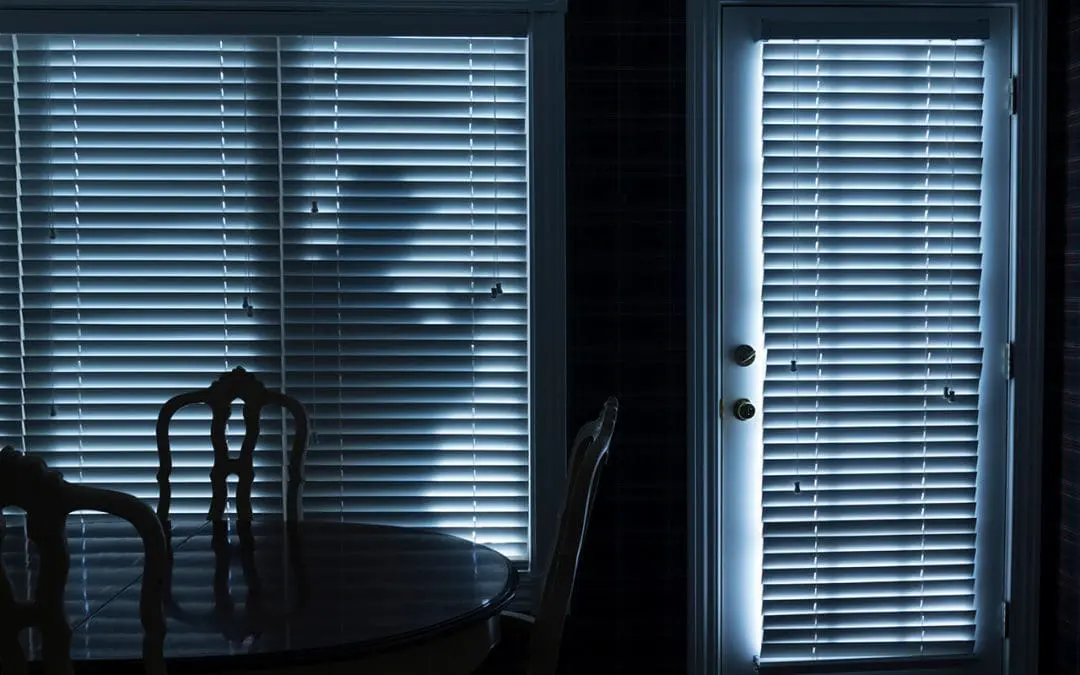
Taking steps to keep your home safe is one of the most important responsibilities of homeownership. A secure home not only protects your property but also provides peace of mind for everyone living inside. From preventing break-ins to reducing everyday hazards, there are many practical ways to improve security without major investments. With consistent effort and smart planning, homeowners can create a safe, comfortable living environment that works for their family every day.
What It Really Means to Keep Your Home Safe
Home safety goes beyond locks and alarms. It involves a combination of awareness, maintenance, and preventive measures that work together to reduce risk across every area of the property. Identifying potential vulnerabilities is the first and most important step, and many of the most effective improvements are simpler and more affordable than most homeowners expect. Common concerns include weak entry points, inadequate lighting, outdated systems, and a lack of emergency preparedness. Addressing these areas proactively rather than reactively is what separates a truly secure home from one that’s simply hoping for the best. A thoughtful, layered approach is the most reliable way to keep your home safe over the long term.
Secure Entry Points to Keep Your Home Safe
Doors and windows are the most common entry points for intruders, making them the first place to focus when strengthening home security. Solid-core exterior doors, high-quality deadbolt locks, and reinforced strike plates make forced entry significantly more difficult. Many break-ins occur simply because a door or window wasn’t properly secured, so ensuring every entry point is functioning and locked is the most basic and impactful step you can take. Windows deserve equal attention. Check that all latches are working correctly and consider adding secondary locks or window security film for ground-floor windows. Sliding doors should have a bar or rod placed in the track as an additional layer of protection.
Lighting and Smart Technology That Help Keep Your Home Safe
Proper lighting is one of the most cost-effective tools available to keep your home safe. Well-lit areas around entrances, pathways, driveways, and side yards eliminate the dark corners that intruders rely on for cover. Motion-sensor lights are particularly effective; they activate suddenly when movement is detected, drawing immediate attention to anyone approaching the property. Indoor smart plugs and light timers create the appearance of occupancy when you’re away, making the home a less attractive target. Modern smart home technology takes security a step further. Video doorbells, security cameras, and alarm systems allow homeowners to monitor their property in real time from anywhere in the world. Many systems send instant alerts when motion is detected or a door is opened, allowing for a rapid response even when you’re not home. Visible cameras and alarm signage also act as powerful deterrents.
Outdoor Maintenance That Supports a Safer Home
The exterior of a home plays a more significant role in security than many homeowners realize. Overgrown shrubs and trees near windows and entry points create natural hiding spots that work in an intruder’s favor. Keeping landscaping well-trimmed, maintaining clear sightlines from the street, and ensuring gates and fences are secure all contribute to a more visible and less vulnerable property. Well-maintained pathways, adequate exterior lighting, and clear entryways also reduce the risk of accidents and falls, an often-overlooked aspect of home safety that affects household members and visitors alike. Outdoor safety and security are two sides of the same coin, and both deserve consistent attention.
Fire Safety, Emergency Preparedness, and Routine Maintenance
Keeping your home safe means being prepared for emergencies as well as preventing them. Smoke detectors and carbon monoxide alarms should be tested monthly and have their batteries replaced at least once a year. A fire extinguisher should be easily accessible in the kitchen and any other high-risk area. Having a clear, practiced emergency plan ensures that every member of the household knows exactly what to do and where to go if a crisis occurs. Routine maintenance plays an equally critical role. Checking electrical systems, plumbing, and structural components regularly helps catch potential hazards before they become dangerous.
By securing entry points, improving lighting, leveraging smart technology, maintaining the exterior, and staying prepared for the unexpected, homeowners can protect both their property and the people who matter most inside it.
Frequently Asked Questions (FAQs)
What is the most effective way to keep your home safe?
A layered approach is most effective, combining strong entry point security, good outdoor lighting, a visible security system, and consistent maintenance habits.
Do smart security systems really make a difference?
Yes, significantly. Smart security systems provide real-time monitoring, instant alerts, and remote access that traditional systems can’t match.
How often should I check my home for safety issues?
A thorough walkthrough every three to six months is a good habit, with monthly checks of smoke detectors and security system functionality. Seasonal maintenance reviews help catch issues before they become hazards.
Are outdoor areas important for keeping your home safe?
Absolutely. Well-maintained landscaping, good exterior lighting, and secured gates all reduce hiding spots and improve visibility.
What should a household emergency plan include?
A solid emergency plan should cover evacuation routes for different scenarios, a designated meeting point outside the home, emergency contact numbers, and basic instructions for shutting off utilities. Practicing it regularly ensures everyone knows what to do when it counts.
Delta Home Inspection provides new construction home inspections in Mobile and Baldwin Counties in Alabama. Contact us to schedule our services.