
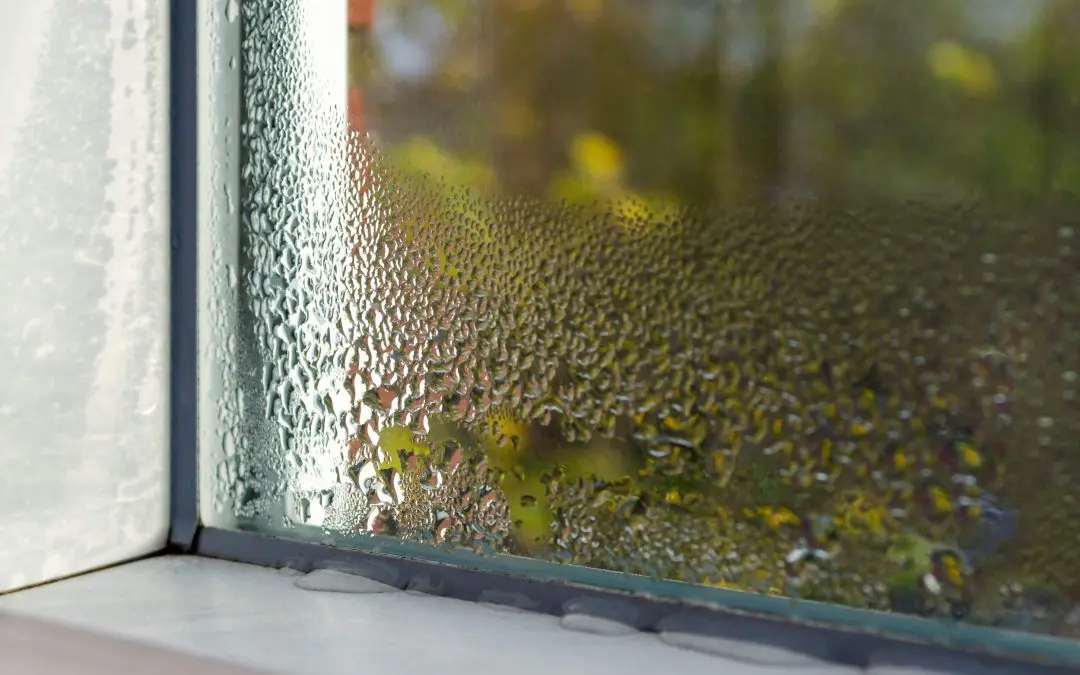
Condensation forms when warm, moisture-laden air contacts a surface cold enough to cause the water vapor to deposit on that surface. The windows that fog up on cold mornings, the pipes that drip in summer, the bathroom mirror that stays cloudy long after a shower while each seems minor, the moisture they deposit accumulates on and within building materials in ways that produce mold, rot, and long-term structural damage. Understanding how to prevent condensation in the specific locations where it most consistently occurs is the moisture management knowledge that protects the home’s materials and the air quality of everyone who lives in it.
The Foundation to Effectively Prevent Condensation
The most direct way to prevent condensation is to reduce indoor moisture, because condensation is a function of the relationship between indoor humidity and surface temperature, and managing humidity is more practical than managing the temperature of every surface in the home. The target indoor humidity range while maintaining comfort is 40 to 50 percent, low enough to prevent the dew point from being reached on typical interior surfaces in cold weather, and high enough to avoid the dry air that causes respiratory irritation. A whole-house humidistat connected to the HVAC system maintains the target range automatically. Where whole-house control isn’t available, portable dehumidifiers in basements, bathrooms, and laundry rooms address the problem at its highest-moisture sources. A simple hygrometer provides the real-time feedback that makes humidity management actionable.
The Ventilation Strategy That Removes Moisture at the Source
Ventilation removes moisture-laden air before it contacts a cold surface and condenses. Cooking, bathing, and laundry all add water vapor to the indoor air and ventilation exhausts that moisture before it reaches concentrations where condensation becomes inevitable. Bathroom exhaust fans are the ventilation fixture most frequently installed incorrectly, venting into the attic rather than to the exterior deposits the moisture the fan was meant to remove directly into the attic space, saturating insulation and roof sheathing. Confirming that exhaust fans vent to the exterior and running them during and for at least twenty minutes after moisture-generating activities is the habit that addresses the home’s highest-moisture areas most effectively. In tightly constructed modern homes, a whole-house HRV or ERV system provides the controlled, continuous air exchange that prevents the moisture accumulation that efficient building envelopes can trap.
How to Prevent Condensation on Cold Surfaces
Condensation forms on surfaces below the dew point of the surrounding air, meaning surfaces in contact with cold exterior conditions are disproportionately prone in cold weather. Single-pane windows are the most visible condensation surface in most homes, but cold water pipes, exterior walls with inadequate insulation, and rim joists in basements are the problem locations that most consistently damage materials over time. Upgrading single-pane windows to double or triple-pane units with low-emissivity coatings reduces the temperature differential between glass and indoor air, addressing both energy performance and moisture management. Insulating cold water pipes in unconditioned spaces with foam pipe insulation prevents summer condensation and is a measure most homeowners never apply until a drip or water stain makes the problem visible.
Frequently Asked Questions (FAQs)
What causes condensation on windows and how do I prevent it?
Window condensation forms when the glass drops below the dew point of the indoor air, driven by cold outdoor temperatures, high indoor humidity, or both. Reducing humidity to the 40 to 50 percent range, ensuring air circulation near the glass from a heat register, and upgrading to double or triple-pane windows are the most effective solutions. Condensation between the panes of a double-pane window indicates a failed seal and is a replacement issue rather than a humidity one.
Can condensation cause mold?
Yes, condensation deposits liquid water on organic surfaces where mold spores can establish within 24 to 48 hours of sustained moisture contact. To prevent condensation is to prevent the moisture supply mold requires. Humidity control below 50 percent, consistent exhaust ventilation, and insulation improvements that eliminate cold surfaces are the practices that most directly protect against mold growth.
How does cooking contribute to condensation?
Boiling water and high-heat cooking release significant water vapor that distributes through the home without adequate ventilation. Using the range hood exhaust consistently during cooking and keeping lids on pots reduces the moisture that ventilation has to manage.
Is condensation on pipes a plumbing problem?
Not typically. Condensation on cold water pipes in warm, humid weather is a moisture management condition. Foam pipe insulation on cold water supply lines in unconditioned spaces eliminates the temperature differential that causes it. If condensation forms on pipes in conditioned living spaces, indoor humidity is elevated enough to warrant dehumidification.
What is the difference between condensation and a water leak?
Condensation produces moisture uniformly across a cold surface. A water leak produces moisture from a specific point, a joint or fitting, that drips downward. Dry the surface completely and observe whether moisture reappears uniformly or from a specific point. If insulating a pipe stops the moisture, it was condensation; if moisture continues from a joint, a plumber is warranted.
Delta Home Inspection provides home inspections in Mobile and Baldwin Counties in Alabama. Contact us to schedule our services.