
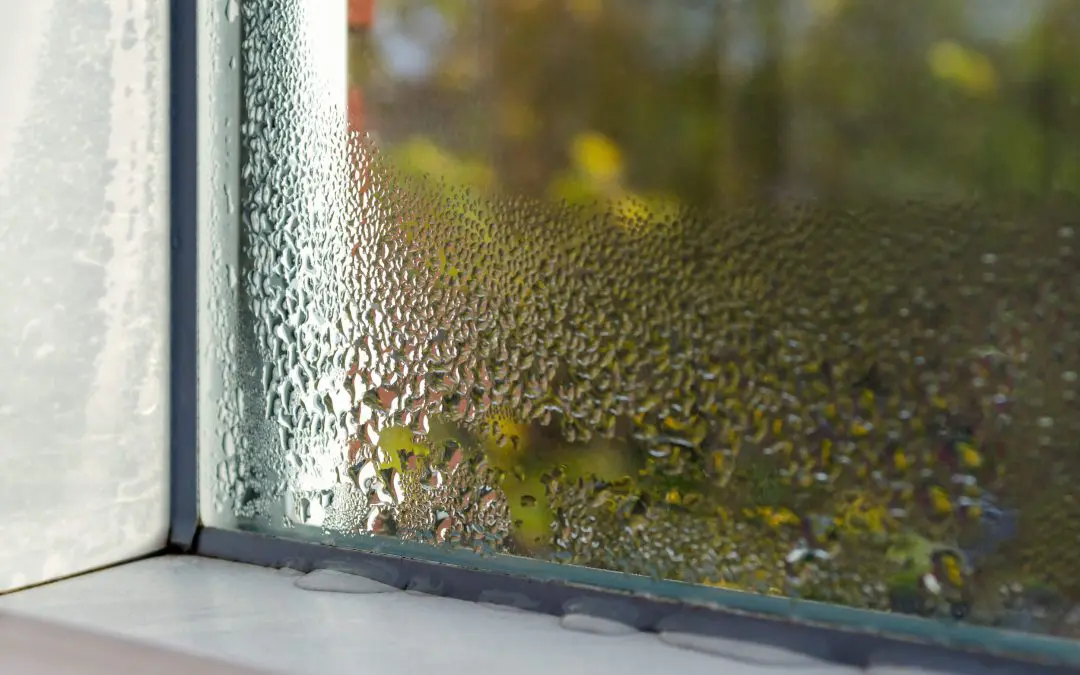
For many homeowners, the house is a shield against the elements, but sometimes the most persistent threats come from the air inside. Dealing with moisture problems is a fundamental part of maintaining a healthy and structurally sound property. Whether it manifests as a foggy window on a cold morning or a mysterious damp spot in the basement, excess humidity is a signal that your home’s ecosystem is out of balance. Left unchecked, these issues could lead to compromised air quality, damaged building materials, and a generally uncomfortable living environment. By understanding the science of condensation and airflow, you can take decisive action to protect your investment.
Identifying the Early Warning Signs of Moisture Problems
The first step in any successful plan is learning to read the subtle clues your house provides. Early indicators of moisture problems often appear in high-humidity zones like the kitchen and bathroom, where you might notice peeling paint or wallpaper that feels slightly tacky to the touch. In other areas of the house, look for “sweating” windows or dark spots appearing along the baseboards and ceiling corners. If you notice a persistent musty odor that doesn’t go away after cleaning, it is a strong sign that humidity is being trapped in porous materials like carpets or drywall. By catching these signs early, you can address the root cause before it escalates into a more expensive structural repair.
Improving Ventilation to Reduce Moisture Problems
One of the most common reasons for humidity buildup is a lack of adequate air exchange. Modern homes are designed to be airtight for energy efficiency, but this often means that the damp air created by showering, cooking, and even breathing has nowhere to go. To combat moisture problems, you must ensure that your home can “breathe” properly. This means consistently using exhaust fans in bathrooms and kitchens, making sure they are vented directly to the outdoors rather than into an attic or crawlspace. If your home feels consistently humid, consider using a whole-house dehumidifier or simply opening windows for a few minutes each day to allow fresh, dry air to circulate. Improving the flow of air is often the simplest and most effective way to keep your indoor humidity levels within a healthy range.
Addressing Structural Vulnerabilities and External Leaks
Sometimes, the source of excess dampness is external issues in the home’s envelope. To prevent significant problems, homeowners must regularly inspect the exterior of the property. Clogged gutters and downspouts are frequent offenders, as they allow rainwater to pool against the foundation and eventually seep into the basement or crawlspace. Similarly, cracked caulking around windows or damaged roof shingles could allow small amounts of water to enter the wall cavities, where it stays trapped and causes silent damage. Make sure that the ground around your home slopes away from the foundation and keeping your drainage systems clear are essential defensive maneuvers in the ongoing battle against unwanted dampness.
The Role of Temperature and Insulation
There is a direct relationship between the temperature of your surfaces and the likelihood of condensation forming. In the winter, poorly insulated walls become cold spots where warm, moist indoor air hits a chilly surface and turns into liquid water. This is a primary driver of moisture problems in older homes. Upgrading your insulation and ensuring that your attic is properly vented will help keep wall temperatures more consistent, reducing the chance of moisture forming. Additionally, maintaining a consistent thermostat setting rather than letting the house get very cold at night helps keep the air’s moisture capacity stable, preventing the cycle of dampness that leads to long-term issues.
Frequently Asked Questions (FAQs)
What is the ideal humidity level for a healthy home?
Most experts recommend keeping indoor relative humidity between thirty and fifty percent. Anything higher than fifty percent creates an environment where dust mites and certain microbes thrive.
Can a dehumidifier solve all my moisture problems?
While a dehumidifier is a fantastic tool for managing ambient humidity in a basement or a specific room, it is often a “band-aid” for a larger issue.
Why do my windows fog up in the winter?
Window condensation occurs when warm, moist indoor air meets the cold surface of the glass. If you have older, single-pane windows, this is very common.
Is a damp crawlspace a major concern?
Yes, a damp crawlspace is often the “engine room” for humidity issues throughout the rest of the house. Because of the “stack effect,” air from the crawlspace rises into the living areas. If the crawlspace is wet, it could lead to sagging floors and poor air quality upstairs.
Delta Home Inspection provides new construction home inspections in Mobile and Baldwin Counties in Alabama. Contact us to schedule our services.