
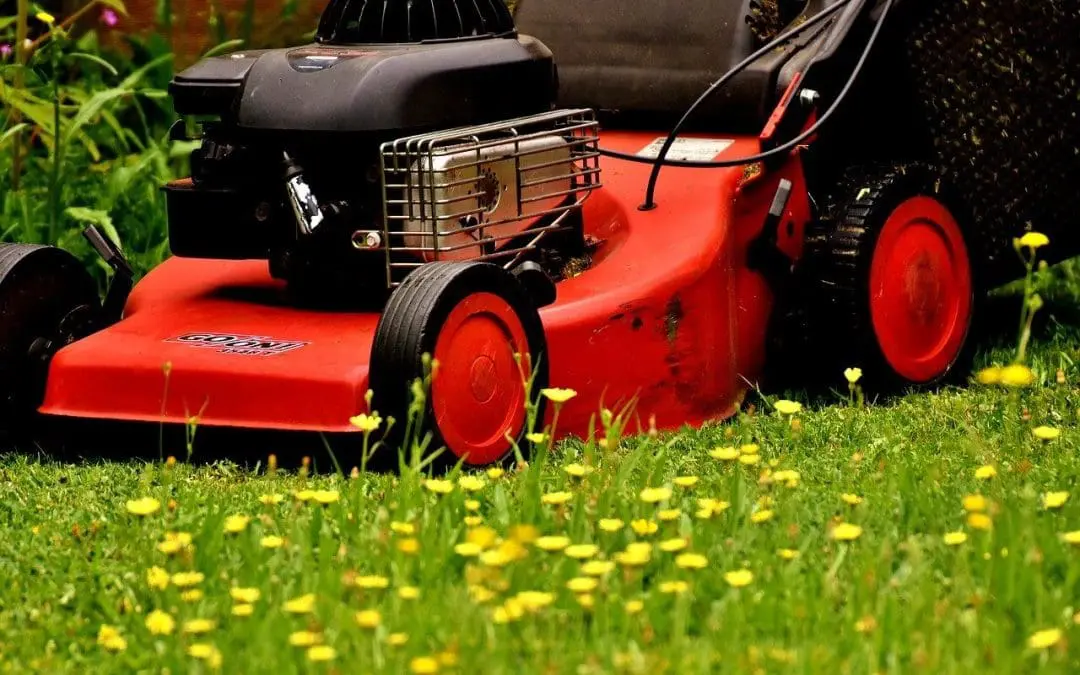
A well-maintained lawn makes an immediate impression, and mowing your lawn properly is the single most visible and most frequently performed yard maintenance task a homeowner does. Yet despite how routine it seems, lawn mowing is commonly done incorrectly. The right technique, timing, and equipment settings directly affect the long-term health, density, and resilience of the grass itself. A few adjustments to how you mow could make a noticeable difference in how your lawn looks and performs throughout the entire season.
Mowing Your Lawn Starts With the Right Height
Mowing height is the single most impactful variable in lawn care. The widespread instinct to cut grass as short as possible to reduce how often mowing is needed is one of the most damaging things you can do to a lawn. Cutting too short removes the leaf blade that the grass plant needs to photosynthesize, weakens the root system, stresses the plant, and creates bare spots that weeds are quick to colonize. As a general rule, never remove more than one-third of the grass blade in a single mowing session. For most cool-season grasses like fescue, bluegrass, and ryegrass, a mowing height of 3 to 4 inches is ideal. Warm-season grasses like Bermuda and zoysia tolerate shorter cuts, typically 1.5 to 2.5 inches, depending on the variety. Taller grass shades the soil, retains moisture, discourages weed germination, and develops deeper root systems that are more drought-tolerant and stress-resistant.
Mowing Your Lawn at the Right Time and Frequency
When you mow matters nearly as much as how you mow. Mowing in the heat of the day stresses the grass at its most vulnerable point, when it’s already working hard to regulate temperature and retain moisture. Early morning mowing allows the grass to recover throughout the cooler part of the day, but the presence of morning dew may create clumping and uneven cuts. Late afternoon or early evening is generally considered the ideal mowing window. Mowing frequency should be driven by growth rate rather than a fixed schedule. During active growing periods in spring and early summer, the lawn may need mowing once or even twice a week. During hot, dry summer periods when growth slows, extending the interval between mowing sessions reduces stress on the grass.
Mowing Your Lawn With Sharp Blades and Varied Patterns
Mower blade sharpness is one of the most overlooked factors in lawn appearance and health. A dull blade doesn’t cut grass cleanly; it tears and shreds the blade tips, leaving ragged edges that turn brown and create an entry point for disease. Dull blades also require the mower to work harder, increasing fuel consumption and wear on the equipment. Blades should be sharpened at least once per season and inspected for damage before the season begins. Varying your mowing pattern each time you mow is another simple but effective technique. When grass is cut in the same direction repeatedly, it begins to lean and develop a grain, which can result in an uneven appearance and compacted soil beneath the wheel tracks.
Leaving grass clippings on the lawn is beneficial rather than harmful when the lawn is mowed at the right frequency. Short clippings break down quickly and return nitrogen and organic matter to the soil, essentially providing a free, light fertilization with every mow. Only remove clippings when they’re long enough to clump and smother the grass beneath them.
Frequently Asked Questions (FAQs)
How short should I cut my grass when mowing my lawn?
Never cut more than one-third of the grass blade in a single mowing session. Most cool-season grasses perform best at 3 to 4 inches, while warm-season grasses generally prefer 1.5 to 2.5 inches.
How often should I be mowing my lawn?
Frequency should be based on growth rate rather than a fixed schedule. During active spring and early summer growth, weekly or bi-weekly mowing is typical. During slower growth periods in summer heat or fall, less frequent mowing is appropriate.
What is the best time of day for mowing your lawn?
Late afternoon or early evening is generally the best window, after peak heat has passed but with enough daylight for recovery before nightfall.
Should I leave grass clippings on the lawn after mowing?
Yes, in most cases, leaving clippings on the lawn is beneficial. Short clippings break down quickly and return nitrogen to the soil, providing a light natural fertilization. Only collect clippings when they’re long enough to form heavy clumps that smother the grass beneath.
How do I know when my mower blade needs sharpening?
If grass tips appear brown, torn, or frayed rather than cleanly cut after mowing, the blade needs sharpening. Sharpen blades at least once per season for the cleanest, healthiest cut.
Delta Home Inspection provides new construction home inspections in Mobile and Baldwin Counties in Alabama. Contact us to schedule our services.