
On the Alabama Gulf Coast, warm temperatures, frequent rain, and high humidity create ideal conditions for wood rot. It starts quietly, behind trim, under decks, and around windows, and it can spread until it affects structural framing. The good news is that rot needs moisture to survive, which means you can stop it by controlling water. Catching problems early also keeps repairs small and inexpensive. Here’s how to recognize it, prevent it, and fix it before it becomes a major repair.
How to Recognize Wood Rot Early
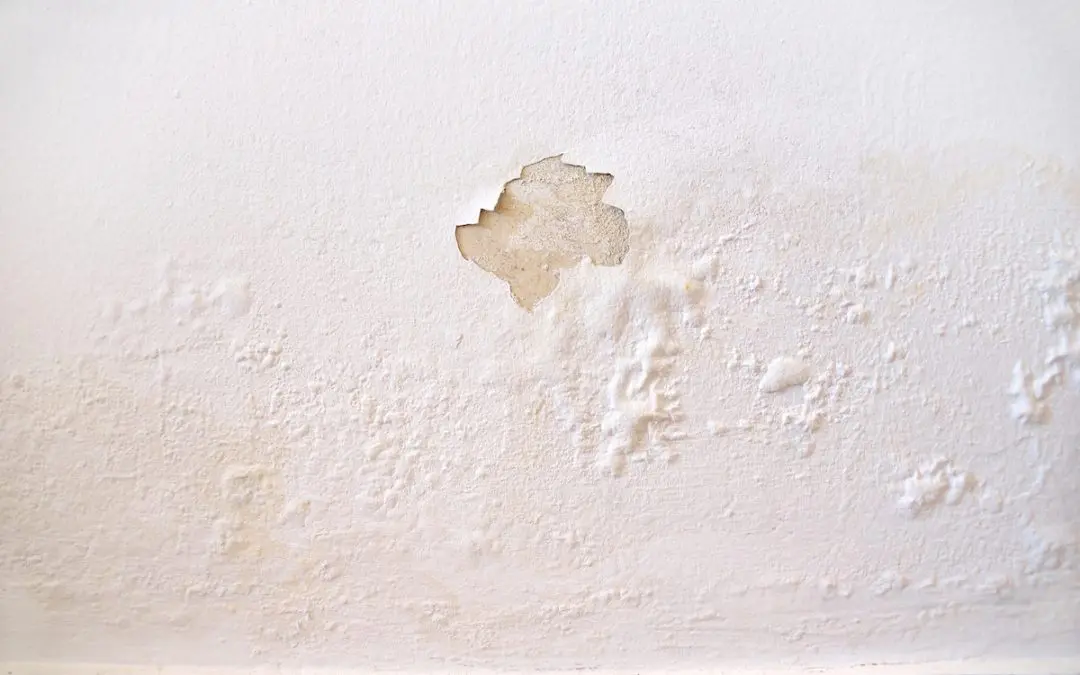
Decay fungi turn solid wood soft and crumbly, and the signs are easy to miss if you aren’t looking. Watch for paint that bubbles or peels, wood that looks darkened or discolored, cracks that run both with and across the grain, and a musty smell. Mushrooms or fungus growing on the wood are a clear sign, as are gaps where trim has shrunk away from the siding. The best test is physical. Press a screwdriver into suspect wood, and if it sinks in easily or the wood feels spongy, it’s likely rotted. Check the usual trouble spots: window sills and frames, door thresholds, fascia and soffits, deck boards and railings, porch posts, siding near the ground, and the lowest corners of trim. In crawl spaces, check floor framing and sill plates. Don’t forget less obvious places, such as the underside of decks, behind downspouts, and around hose bibs, where leaks can go unnoticed.
Control Moisture Before It Causes Wood Rot
Rot needs wood moisture above roughly twenty percent for an extended period, so the best prevention is keeping wood dry. Keep gutters clean, direct downspouts away from the house, and make sure the soil slopes away from the foundation. Trim shrubs so air can circulate, and keep sprinklers from spraying siding and decks. Fix leaks promptly, and ventilate crawl spaces and attics. A dehumidifier in an enclosed crawl space or garage can reduce humidity that keeps wood damp. Seal and paint all sides of exterior wood, including the end grain, and keep caulk fresh at joints and corners, using a good exterior caulk rated for movement, since cheap caulk cracks within a season or two. Maintain flashing above windows and doors. Keep wood at least six inches above soil, and use materials rated for ground contact where wood must touch the ground. Inspect after heavy storms, since wind-driven rain finds gaps that usually stay dry.
Choose Materials and Finishes That Resist Rot
Wood rot is far easier to prevent than to repair, so use materials that handle moisture well. Pressure-treated lumber, naturally durable woods like cypress and cedar, fiber cement siding, PVC trim, and composite decking all hold up better in humid climates. Prime and paint wood completely, because bare surfaces absorb water quickly. Use stainless steel or hot-dip galvanized fasteners, which resist corrosion that can stain and weaken wood. For door and window bottoms, which are especially vulnerable, consider rot-resistant sills and extra sealing. Touch up paint on a regular schedule, since a small crack in the finish lets water in. When replacing trim, consider factory-primed boards, which resist moisture from every side.
Repair Small Areas and Know When to Replace
Small rot spots can be repaired. Wear gloves and a dust mask when removing rotted wood. Dig out the soft wood back to solid material, treat the area with a wood hardener, fill it with an epoxy wood filler, sand it smooth, and prime and paint it. Check the repair after the next heavy rain to confirm it’s holding. Replace sections that are badly damaged with new treated wood or PVC. Always find and fix the moisture source, or the rot will return. Structural elements such as sill plates, joists, beams, and posts need professional evaluation, since weakened framing can be unsafe. Rot is also sometimes found alongside termite activity, so have a pest professional take a look. A moisture meter is an inexpensive tool that helps you confirm whether wood is dry enough to repair or paint. Dealing with wood rot early keeps repairs small.
Frequently Asked Questions (FAQs)
What causes wood rot?
Fungi that thrive in damp wood, usually from leaks, poor drainage, or condensation. Without moisture, the fungi can’t grow.
Is rot the same as termite damage?
No, but both can occur together. A professional can tell the difference and recommend the right treatment for each.
Can rotted wood be saved?
Small areas can be hardened and filled with epoxy. Severely damaged wood should be replaced, and the moisture source must be fixed first.
Where does rot usually start?
Around windows, doors, trim, decks, and wood close to the ground, where water collects and dries slowly.
How can I tell if rot is structural?
Soft framing, sagging floors, or a springy deck needs a professional’s evaluation before anyone uses the area.
Delta Home Inspection provides home inspections in Mobile and Baldwin Counties in Alabama. Contact us to schedule our services.